

When an electric motor starts making unusual noise, it is often an early warning sign that something inside the system needs attention. A healthy motor normally produces a smooth hum or steady airflow sound. But when the sound changes into grinding, squealing, rattling, buzzing, knocking, or humming, it usually means there is a mechanical or electrical issue developing.
At Wolong Electric Nanyang Explosion Protection Group Co., Ltd., we often help customers diagnose motor noise problems before they lead to overheating, vibration, or unexpected shutdowns.
This guide explains the most common reasons why motors make noise and how to solve them.
1. Bearing Problems — The Most Common Cause
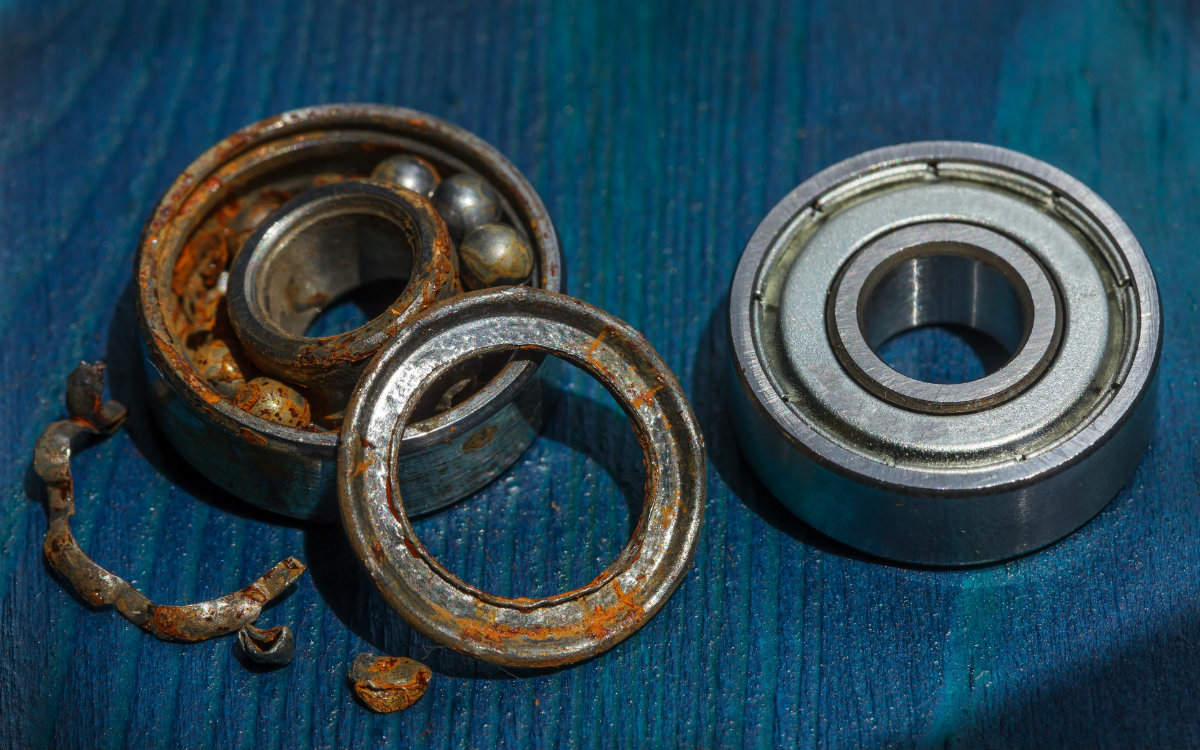
In industrial motors, bearings are one of the most frequent sources of abnormal noise.
Typical sounds include:
grinding
rumbling
squealing
metal friction noise
Common bearing issues include:
insufficient lubrication
too much grease
contaminated grease
worn bearing raceways
damaged rolling elements
bearing corrosion
Industry sources consistently show that bearing faults are the leading cause of motor noise and failure.
A dry bearing often creates a high-pitched squeal, while a damaged bearing usually produces a rough grinding sound.
Solution
check grease condition
regrease according to maintenance schedule
replace damaged bearings immediately
inspect for dust or moisture contamination
2. Shaft Misalignment
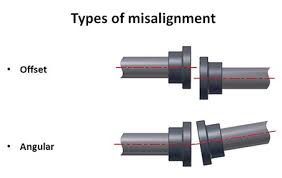
If the motor shaft and the driven equipment shaft are not perfectly aligned, the motor can produce vibration and noise.
This often sounds like:
repeated knocking
rhythmic vibration noise
coupling rattling
Misalignment usually happens between the motor and:
pumps
fans
compressors
conveyors
Even slight misalignment can create continuous stress on the bearings and shaft.
Solution
Use laser alignment tools or dial indicators to check shaft alignment.
This is one of the most important maintenance checks for industrial motors.
3. Loose Mounting Bolts or Base
Sometimes the noise is not from the motor itself.
If the motor base, anchor bolts, or mounting brackets become loose, vibration can amplify into a loud rattling sound.
This usually sounds like:
shaking
rattling
metal knocking
Loose mounting can also create resonance, making the sound much louder than the original fault.
Solution
tighten foundation bolts
inspect base frame rigidity
check for cracked mounting feet
verify flat installation surface
4. Rotor Imbalance
An unbalanced rotor is another major cause of noise.
When the rotor mass distribution is uneven, centrifugal force increases during rotation.
This often causes:
low-frequency humming
vibration noise
repetitive mechanical sound
The faster the motor runs, the more obvious the sound becomes.
Common causes:
dust buildup on fan blades
rotor damage
shaft bending
manufacturing imbalance
Solution
Dynamic balancing is usually required.
5. Cooling Fan Damage
The cooling fan is often overlooked.
If the fan blades are cracked, bent, or rubbing against the cover, the motor can create a loud scraping or whistling noise.
Typical sounds:
scraping
clicking
airflow whistle
This is especially common in motors working in dusty industrial environments.
Solution
inspect fan cover
clean debris
replace damaged fan blades
6. Electrical Noise / Magnetic Buzzing
Not all noise is mechanical.
Sometimes the motor produces an electrical humming or buzzing sound.
This usually comes from:
voltage imbalance
stator winding issues
loose laminations
electromagnetic vibration
The sound is often a continuous buzzing hum.
This is common in three-phase induction motors.
If the buzzing increases under load, electrical inspection is necessary.
Solution
check phase voltage balance
inspect winding insulation
test stator condition
measure current imbalance
7. Internal Component Rubbing
If internal parts begin touching each other, the motor may produce severe friction noise.
Examples include:
rotor rubbing stator
shaft rubbing housing
fan rubbing cover
loose internal parts
This can quickly damage the motor.
Warning
If you hear metal scraping, stop the motor immediately.
How to Identify the Type of Noise
A simple practical guide:
| Sound Type | Possible Cause |
|---|---|
| Grinding | Bearing damage |
| Squealing | Lack of lubrication |
| Rattling | Loose bolts or parts |
| Buzzing | Electrical issue |
| Knocking | Misalignment |
| Scraping | Rotor or fan rubbing |
This helps customers quickly identify the problem source.
How to Prevent Motor Noise
At Wolong Electric Nanyang Explosion Protection Group Co., Ltd., we recommend regular preventive maintenance.
Best practices:
inspect bearings monthly
monitor vibration levels
check shaft alignment
clean cooling fans
tighten mounting bolts
monitor current and voltage
Predictive maintenance can prevent most noise-related failures before shutdown occurs.
Motor noise is often the first sign of a developing fault.
The most common causes are:
bearing failure
shaft misalignment
loose mounting
rotor imbalance
fan damage
electrical buzzing
internal rubbing
Early diagnosis can greatly reduce repair costs and prevent downtime.
For industrial applications, choosing a reliable motor supplier and maintaining correct installation are just as important as the motor itself.
At Wolong Electric Nanyang Explosion Protection Group Co., Ltd., we provide high-quality industrial motors and technical support to help customers solve vibration, overheating, and abnormal noise issues efficiently.
